Biologists and data experts from 30 European countries
gathered at Senckenberg Research in Frankfurt to translate data into knowledge
to protect soil function and biodiversity. The meeting was organised by COST
Action EUdaphobase. Seven groups are working on a wide range of themes such as
data harmonization and collection, identifying ecological traits from soil
organisms, creating user-friendly interfaces for the edaphobase data warehouse,
improving data modelling and assessment and for the first time combining
microbiological and micro/meso-fauna data. The Irish representative from UL, Dr
Achim Schmalenberger is involved in the working group that deals with the
challenge to import environmental and sequencing data from microbiological
analyses from across Europe into edaphobase.
This is the official blog of the Department of Biological Sciences at the University of Limerick (UL). We are one of three Departments in the School of Natural Sciences in the Faculty of Science and Engineering at UL. At undergraduate level, four programmes are currently offered in the areas of Bioscience, Food Science and Health and Equine Science. These include BSc in Bioscience, BSc in Food Science and Health and Certificate, Diploma and BSc degree in Equine Science.
Wednesday, February 19, 2020
the EUdaphobase project
Wednesday, February 12, 2020
Eco-Neurobiology, and How the Environment Shapes Our Brains
About the Author
Dr Andreas M. Grabrucker received his MSc in Biology with a focus on Genetics from the Technical University of Munich (TUM), Germany, in 2005. After obtaining his PhD in Molecular Medicine from Ulm University, Germany, he continued his research at the Department of Psychiatry and Behavioral Sciences at Stanford University, USA. He is a tenured Lecturer at the Department of Biological Sciences of the University of Limerick, Ireland, and a member of the Bernal Institute and the Health Research Institute of the University of Limerick. His major research focus is translational neuroscience, and he has published nine book chapters and over 49 articles in scientific journals.= = =
More info about the book is here.
Tuesday, February 11, 2020
Autism Special Interest Group @ UL
The
Autism Special Interest Group at the University of Limerick (Autism@UL SIG) is
an interdisciplinary group of people with a focus on autism: researchers,
therapists, family members, as well as representatives of autism family
organisations in and around Limerick. Within UL the group includes senior
Principal Investigators, early career researchers and PhD students from
across the University’s faculties and institutions including the Bernal
Institute, CSIS, Education, Health Research Institute, the
School of Allied Health, KBS and PESS.
The Mission of the group:
- Develop a collaborative multidisciplinary network of research active academics focused on advancing the vision of Autism@UL SIG,
- Creating a UL autism-friendly campus and a UL autism-friendly work environment;
- Organizing and campaigning for autism-related events and initiatives;
- Attract National and International funds as well as activate international collaborations to research autism;
- Foster
highly trained PhD graduates.
You can find more information here
Thursday, January 16, 2020
Leaving Cert Biology Students at our Department
![]() |
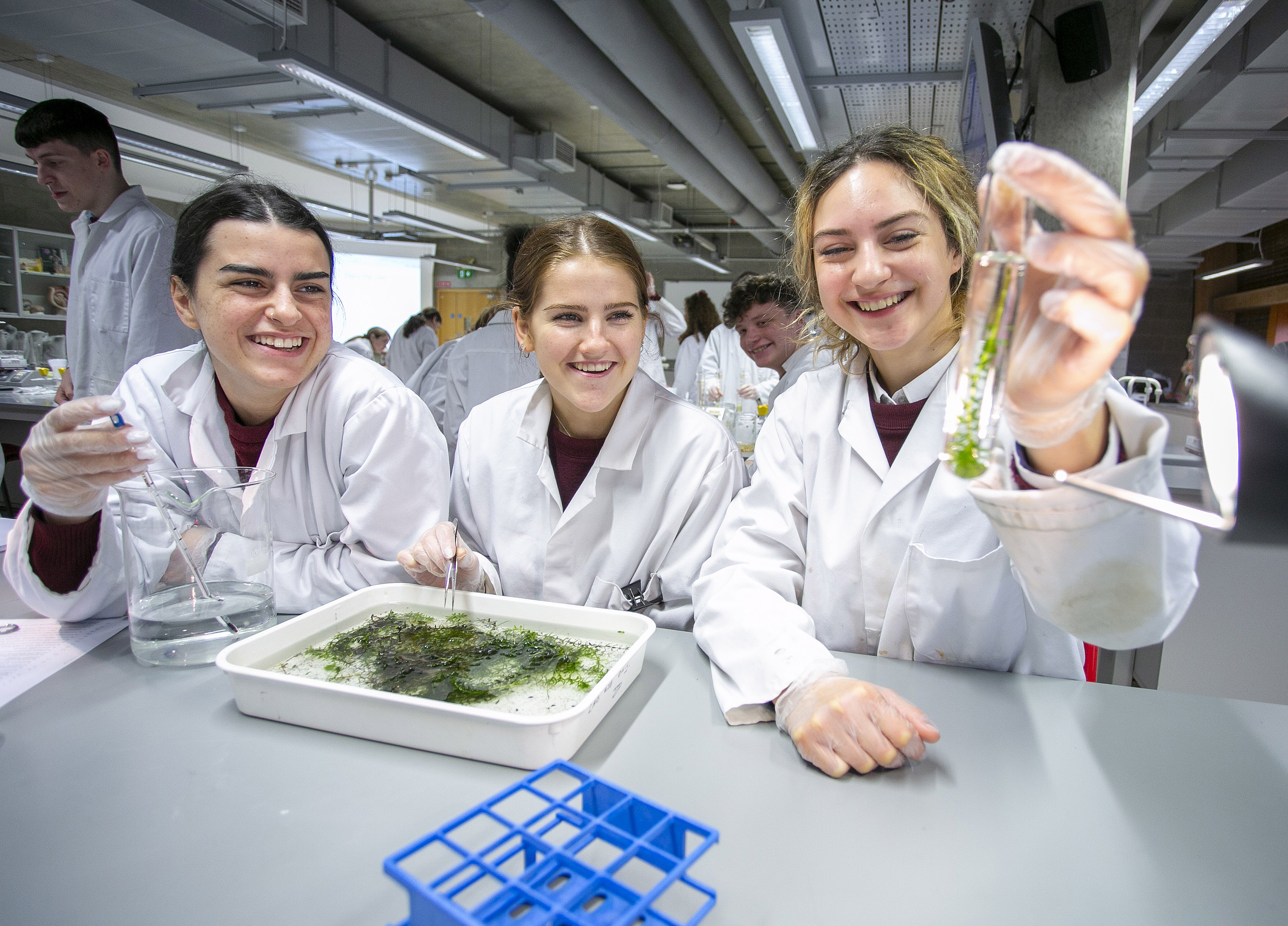
| Pictured at University of Limerick running experiments on Photosynthesis are Scariff Community College's Hazel Mosbacher, Grainne Colhoun and Yolanda Ramirez Picture: Arthur Ellis |
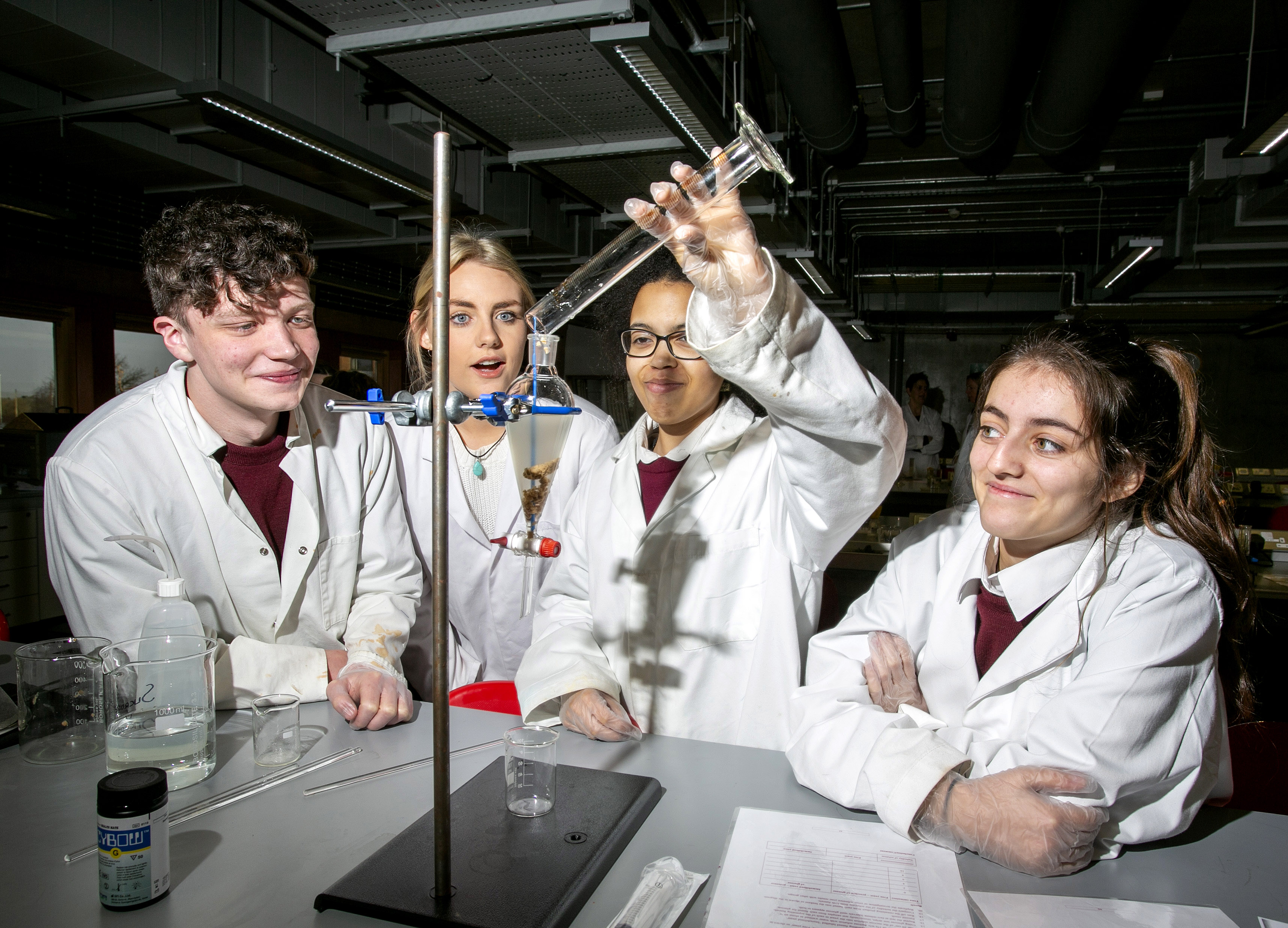
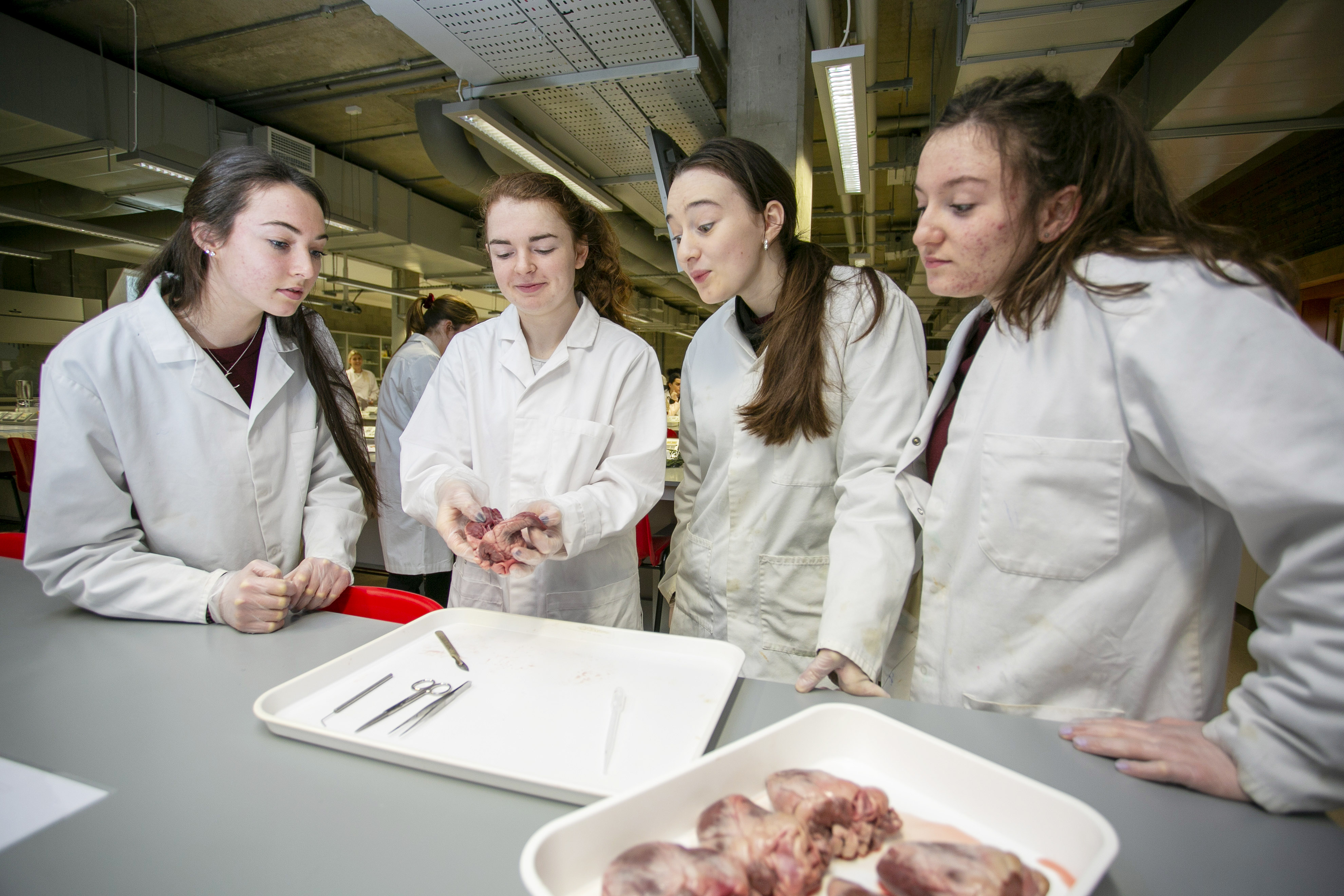
Hundreds of Leaving Certificate biology students got practical experience in state-of-the-art laboratories at University of Limerick last week. Over 450 second-level students were given the opportunity to carry out laboratory practical experiments set on the Leaving Certificate Biology curriculum at UL.
A group of over 80 leaving certificate students from Clare and Galway were at the University (8th January) where they carried out 18 of the mandatory Leaving Cert biology practicals – including dissecting a sheep’s heart, DNA extraction, food and plant-based experiments and more.
Sinead Holland, biology and maths teacher at St Killian’s College, New Inn, Ballinasloe, said it was “the right time, just before the mocks, to give them the perfect revision of all the experiments, which is a major part of the Leaving Cert exam. It gets them really focused into the exam. They are getting the practical, hands on experience and see what a university is like and sometimes when you do experiments in isolation, they kind of forget them, whereas when it is a full day of it, it really concentrates on the practicals and we will have a test in two days’ time to concentrate the mind,” she laughed.
Teacher Noreen Meagher from Scariff Community College said it was a “great experience” for her students and “a really good reminder of all the experiments that they would have done through the last two years”.
“They are getting a chance to do them in a university setting, with suitable equipment. It is a great experience to get them done all in one day, with experts in the field that will go around and assist and support them with questions as well,” she added.
The Leaving Certificate Biology Practical Sessions have been taking place at UL for over a decade. Jackie Kennedy, Chief Technical Officer in UL’s Department of Biological Sciences, said: “The fact that we have students coming into us is very important because they are getting to experience what a laboratory setting is like in third level. We have state of the art labs here, which we are always delighted to show off. On average we have 400 to 500 students here for a week at this time of the year, from different schools throughout the region".
"Many biology Leaving Cert students throughout the country do not get the opportunity to actually carry out and practice the experiments included in their course work and a lot of secondary school laboratories simply don’t have the facilities to allow this. Our biology laboratories have the most up to date experimental equipment to facilitate in depth research and experimentation. It is a great opportunity for secondary school students to practically engage with the University also,” she added.
The department’s technical team, as well as postgraduate students and final year BSc Ed students who will be qualified as second level biology teachers at the end of this semester, are present in the laboratories to assist students throughout the week and instruct them in conducting the experiments.
The biology students will also be given information on UL programmes offered by the Biological Sciences Department and the Faculty of Science and Engineering at UL.
Over 450 students from schools in Limerick, Clare, Galway, Tipperary and those from Access programmes and further education are due to attend over the course of the week.
Tuesday, December 10, 2019
Friday, December 6, 2019
TY students (December 2019)
In collaboration with the SSPC education and public engagement program, the department of biological sciences hosted transition
year students from across Limerick for biology practical’s this week.
We made the
practical’s personal with the students growing microbes from their hands
overnight and measuring each other’s hearts rates before and after ‘jumping for
science’.
We also showed them the diversity of organisms in sea shore samples
and introduced them to how we determine disease in horses using molecular
biology.
Thanks are due to Patricia Cusack, Tara Murphy, Ian Coughlan, Andrew McGovern and all our dedicated Technical team.
Subscribe to:
Posts (Atom)