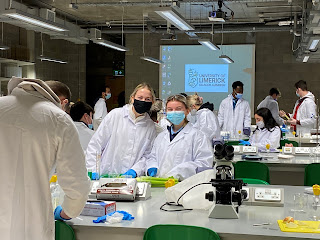
Tuesday, March 15, 2022

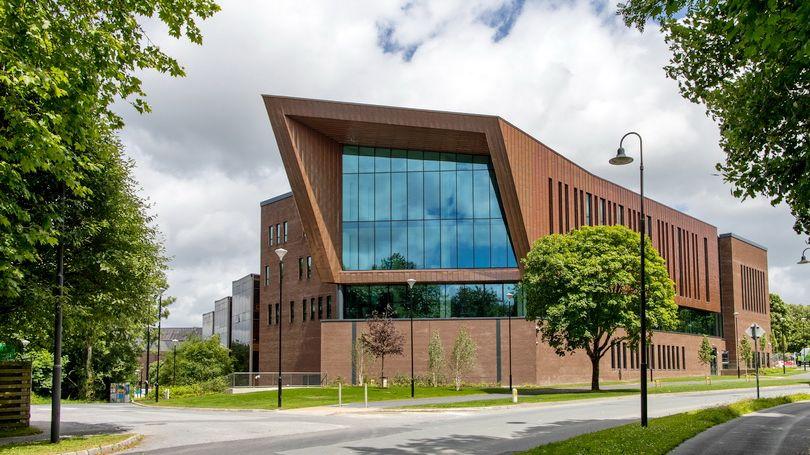
Re-baptising our building


Following the revelations on Prof Schrodinger's past in Ireland as below (Irish Times, 11.12.2021, the article is behind a paywall but you can read it below), our building in UL has been renamed from "Schrodinger" to "Science and Education".

Thank you to all the people involved for their support on this renaming.

Ioannis Zabetakis


How Erwin Schrödinger indulged his ‘Lolita complex’ in Ireland

Subscriber only

Nobel Prize-winning physicist, who spent 17 years in Ireland, was a serial groomer of girls

Several years ago Bernard Biggar was doing family tree research online when he came across a reference to his mother which stopped him in his tracks.

He knew his grand-uncle, the mathematician Msgr Pádraig de Brún, had been a friend of Erwin Schrödinger – the Nobel Prize-winning physicist who became an Irish citizen in 1948 during a 17-year stay here. Walter Moore’s biography of Schrödinger detailed how the Irish priest and the Austrian scientist became good friends but one passage about a holiday get-together at Msgr de Brún’s home on the Dingle Peninsula left Biggar shocked:

“The three children of Paddy’s sister Margaret were there at the time, Maire (18), ... Seamus (16) and Barbara (12) ... Despite her dirty nails, Barbara was a beautiful child and Erwin became infatuated with her. She was the third instance of his ‘Lolita complex’, taking her place along with ‘Weibi’ Rella and ‘Ithi’ Junger.

“The situation became so incongruous that someone, probably Paddy Browne [Msgr de Brún], had a serious word with him, and muttering dark imprecations, Erwin desisted from further attentions to Barbara, although he listed her among the unrequited loves of his life.”

Schrödinger was 53-years-old when he made advances on the pre-teenager.

Barbara MacEntee was Biggar’s mother.

Biggar contacted The Irish Times to highlight the episode after I wrote an article in September about a new cycle trail to honour Schrödinger’s link to the Dublin Institute for Advanced Studies (Dias). The article made no reference to Schrödinger’s record as a sexual predator but, on reflection, it’s clear that it should have.

The evidence is hiding in plain sight: Schrödinger was a serial abuser whose behaviour fitted the profile of a paedophile in the widely understood sense of that term.

In the case of Junger, she was 14 when the 39-year-old Schrödinger took advantage of his role as her tutor to sexually abuse her. “As well as the maths, the lessons included ‘a fair amount of petting and cuddling’ and Schrödinger soon convinced himself that he was in love with Ithi,” John Gribbin wrote in his 2012 biography of the physicist.

Over Christmas 1927, Schrödinger “set out on a long campaign of what would now be described as grooming”. He continued to pursue the student, who he called “Ithy-bitty” and at 17 she became pregnant. She had a disastrous abortion that left her sterile, by which stage Schrödinger had abandoned her for his next conquest.

Efforts at justification

Since Biggar came across the reference to his mother, he has examined the age difference in Schrödinger’s numerous “relationships”. Rella, the first girl to whom Schrödinger proclaimed love, was several years his junior in high school. His next obsession, Felicie Krauss, was 15 when Schrödinger was 24. Annemarie Bertel was 16 when Schrödinger was 25, and so it continued, the gap in years widening over time.

“I hope [this] gives you some background as to why it disturbs my siblings and I considerably when Schrödinger’s sexual depravity is conveniently overlooked,” Biggar says.
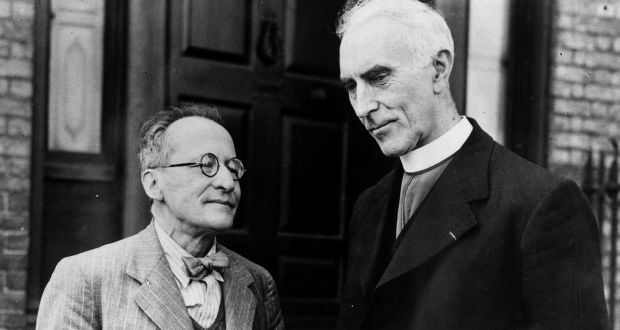
Erwin Schrödinger with Mgr Pádraig de Brún, a close friend while he lived in Ireland: The clergy man may have prevented the scientist from pursuing a young girl.

What makes Schrödinger’s behaviour additionally troubling is how he sought to justify it intellectually. He kept a record of his conquests in personal diaries, called Ephemeridae, and explained his predilection for teenage girls on the grounds that their innocence was the ideal match for his natural genius. He wrote: “Comparable in some way to the end of the spectrum, which in its deepest violet shows a tendency towards purple and red, it seems to be the usual thing that men of strong, genuine intellectuality are immensely attracted only by women who, forming the very beginning of the intellectual series, are as nearly connected to the preferred springs of nature as they themselves. Nothing intermediate will do, since no woman will ever approach nearer to genius by intellectual education than some unintellectuals do by birth so to speak.”

As Moore pointed out, Schrödinger was not only remarkably egotistical but his attitude to the opposite sex “was essentially that of a male supremacist”.

A number of women were attracted to Schrödinger and he had consensual affairs outside of his marriage. For years, he lived openly with both his wife Bertel and mistress Hildegunde March, with whom he had a child. In at least one other case, however, consent – by our current understanding – was absent.

While in Dublin, he fathered two children by two different women. One was Sheila May, an actress and activist; the other is known to us as Kate Nolan. It is not her real name as her family have always wanted to preserve their privacy.

She was 26 when the 57-year-old Schrödinger set eyes on her while she was working as a Red Cross volunteer in the Irish capital.

Contribution vs crimes

“It took Erwin some time to break down her resistance,” Gribbin writes. “He did so in the summer of 1945, and when the inevitable happened Kate confessed to Lena Lean, the Schrödingers’ resident childminder, that she was not quite sure how she had become pregnant. Of all Schrödinger’s ‘conquests’, this is the hardest to justify on the grounds of ‘true love’.”

Reassessing historical figures is tricky territory. How do you weigh Schrödinger’s sexual crimes against his unique contribution to science? At Trinity College Dublin, the physicist famously delivered his What Is Life? public lectures, which helped to pave the way for a golden era in molecular biology, and had a major influence on James Watson and Francis Crick’s discovery of DNA’s double helical structure in 1953.

Schrödinger, by all accounts, could be charming, entertaining and kind. He was aware of the charisma he had and used it to good effect in scientific collaborations. He loved Ireland, having been wooed here by Éamon de Valera to help found Dias in 1940. Despite Ireland’s Catholic conservatism, and the deprivations of the Emergency, he felt entirely free living here.

“In Germany, if a thing was not allowed, it was forbidden. In England if a thing was not forbidden, it was allowed. In Austria and Ireland, whether it was allowed or forbidden, they did it if they wanted to,” he once wrote.
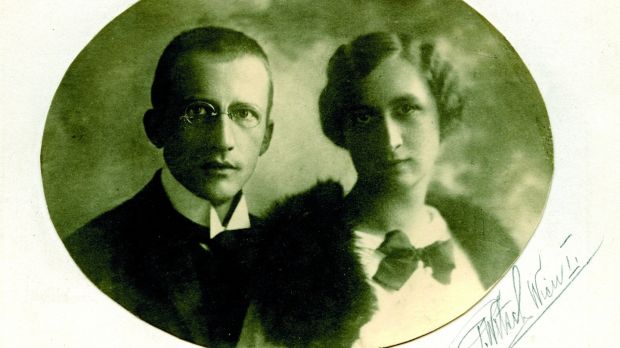
Schrödinger and his wife Anny: Ithi Junger was 14 when the 39-year-old Schrödinger took advantage of his role as her tutor to sexually abuse her.

Schrödinger’s non-conformism has traditionally been portrayed as one of his endearing traits, and his sexual activities have been credited widely with firing the sparks of his imagination. The idea that he “did his great work during a late erotic outburst in his life” – as the mathematician Hermann Weyl put it – became accepted almost without challenge.

This presents scientific institutions today with a dilemma of how to remember, commemorate or honour Schrödinger. The issue is not whether to “cancel” him but whether we can more accurately categorise his dark side. To call it “womanising” is misleading. To call it “eroticism” is to parrot the explanation he gave, and we must be conscious of the fact that there are many people who have no voice in the historical record.

Cycling map

Barbara MacEntee died in 1995 and it was only later that her family discovered how Schrödinger had pursued her. “As you can imagine the subject was never discussed with my mother,” her son says.

The Irish Times asked Dias why the Schrödinger cycling map of Dublin made no reference to the physicist’s sexual affairs in the city, particularly his involvement with May and Nolan.

“Schrödinger’s Cycling Map of Dublin offers ‘a glimpse into Schrödinger’s life in Dublin’,” the institute replied. “It focuses on his public life as a scientist, and his role as the first director of the school of theoretical physics at Dias. The cycling route is intended to be enjoyed by people of all ages. It is not intended as a detailed biography.”

Asked whether it was appropriate to be commemorating Schrödinger, given what we know about his record as a sexual predator, Dias said: “Erwin Schrödinger was one of the most high-profile scientists ever to live and work in Ireland. Unfortunately, today, his scientific legacy is significantly flawed due to allegations about his private life. Dias deeply condemns any inappropriate sexual behaviour on the part of Prof Schrödinger or any other persons, past or present.

“In recent years, society as a whole has begun to re-evaluate the legacies of certain individuals and organisations where information has come to light about past misconduct. Dias and the wider scientific community are going through this process.

“Across all sectors of society, it is important to strike a balance between acknowledging the achievements of historical figures and publicly recognising – where appropriate – instances of misconduct on their part.”

* An amendment was made to this article on 13/02/22 to correct the spelling of the name Felicie Krauss.

Friday, March 11, 2022

Functional Foods and Product Development - MSc


                                Our Glucksman Library in the University of Limerick (UL)

----------------------------------------------------------------------------------------------------------------------------

We are delighted to announce that from September 2022, we can offer a new MSc.

The new Master of Science in Functional Foods and Product Development Programme is in-line with the UL strategic plan by supporting and sharing expertise and knowledge through education, research, and engagement for the benefit of the graduates and the enrichment of society. 

The programme is innovative, up-to-date and is paved with research excellence in food science, which is a novel and top-notch approach in UL and in Ireland.

The Postgraduate Diploma/M.Sc in Functional Foods & Product Development offered at the University of Limerick (UL) is delivered either over 1 year (full time) or 2 years (part-time). 

This innovative evidence-based interdisciplinary programme explores the theoretical and practical science and technologies behind the development and validation of functional foods, ranging from conceptualization of food development to human interventions to assess the food efficacy. 

The course program offers a wide variety of Modules that will aid the student to design in vitro (i.e., chemical and cell-based protocols) and in vivo (i.e. yeasts, animals, and human interventions) protocols. 

Additionally, the student will be able to analyse data and make inferences about the effectiveness/functionality of the ingredient and/or food models developed.


For more information, click here

Monday, February 28, 2022

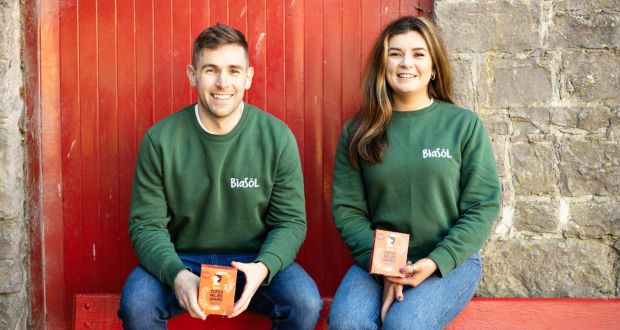
Crafty use of leftover brewing grains


                                                 Ruairi and Niamh Dooley, co-founders of BiaSol

= = =

Source: the Irish Times


Siblings Niamh and Ruairi Dooley have created a food supplement from the grains left over from the craft brewing industry. Their BiaSol Super Milled Grains is a zero waste, nutritional supplement that can be used in a variety of ways such as being added to soups, sauces, smoothies, or sprinkled on porridge or breakfast cereals.

The grains, mostly malted barley but also small amounts of oats, wheat and rye, are collected from four craft breweries near the BiaSol manufacturing premises in Tullamore. As much as four tonnes a week of the wet, spent grains are collected from St Mels in Longford; Dead Centre Brewing in Athlone; Bru Brewery in Trim; and Ballykilcavan in Stradbally, before being dried, milled and packed.

Despite having been used in the brewing process, there is plenty of nutrition still in the grains, says Niamh, who has a degree in food science and health from the University of Limerick. “At the beginning of the brewing process, the grains are heated with water to extract the starch. The starch is then converted to sugar which further on during the process ferments into alcohol. Therefore, the goodness is left in the outer husk of the grains, which contain enormous amounts of fibre and also contain a high amount of protein.

“There are also prebiotic fibres which help feed the friendly gut bacteria and B vitamins present which help the digestive system. The grains are also high in some minerals such as iron, zinc and calcium.”

The siblings began developing their Super Milled Grains in July 2020, with support from Enterprise Ireland. BiaSol recently became certified as a member of the Upcycled Food Association, a non-profit organisation based in the US, which is focused on reducing food waste.

Niamh, whose interest in sustainability stems from her experience working in a vegan food truck in Canada, is responsible for the operations side of the business, while Ruairi, who is an IT business analyst based in London, manages the finance and administration functions.

The Super Milled Grains have a malty, nutty flavour, and as well as being suitable to add to meals, they can be used in baking. BiaSol also produces a range of baking mixes, for soda bread, scones, cookies and pancakes, containing milled grains.

BiaSol Super Milled Grains can be purchased online (€5.99) and are stocked in health food shops and independent food stores across the country. The baking mixes are €3.99 each. See biasol.ie for stockists, online shop and to access a range of recipes using the product.

Monday, February 14, 2022

Understanding the Female Reproductive Tract’s Role in Fertilization

Article as published here.

During mammalian reproduction, millions of sperm undertake a journey that only one will finish. This journey to fertilization has been commonly viewed as a race: a sea of sperm competing to get to the egg first. Yet, Susan Suarez, professor emeritus of biological sciences at Cornell University, and many of her colleagues see things differently. “I certainly don’t think of it as a race,” she says, “but rather as a complex process” involving both sperm and female cells.

Suarez and others have spent decades trying to get a clearer picture of the female reproductive tract’s active role in mammalian conception, which has been largely overlooked compared with that of the sperm.
Suarez partly attributes the focus on sperm to a historic bias toward researching conditions that more often affect males, which led researchers─herself included─to assume that sperm are the essential players in the trip to the egg. In addition, she says, sperm are far easier to collect, observe, and keep alive in the laboratory than the tissues of the female tract.
By doing lab experiments on and observing live animals, researchers are now uncovering bit by bit how female cells interact with sperm at key points on the way to fusion of the sperm and egg─weeding out, preparing, and even storing sperm for fertilization.
Studies in animals such as sheep, mice, and pigs have shown that at each stage─as sperm start in the vagina, move into the cervix, traverse the uterus, then squeeze through a narrow passage into the oviduct called the uterotubal junction (UTJ)─female cells provide biochemical cues as well as put up obstacles to help ensure that only one sperm cell with intact DNA makes it to the egg. Understanding the molecules involved in this process, scientists hope, could offer help for current challenges in livestock breeding, artificial insemination, and human in vitro fertilization (IVF).
Sean Fair, who studies animal reproduction at the University of Limerick, has been puzzled for years by a group of Norwegian sheep.
Sheep are notably difficult to artificially inseminate. The folds in their cervixes are oriented in such a way that semen can’t be placed farther than the entrance of the cervix. That leads, internationally, to poor pregnancy rates for artificial insemination using stored (frozen, then thawed) semen─less than 30% in ewes compared with around 60% for cattle. But in Norway’s small sheep industry, “the farmers themselves are just popping the semen into the vagina, and they get pregnancy rates of 60–70%,” Fair says.

Healthy sperm preferentially travel up the microgrooves (purple inset) of a sheep cervix as cervical fluid flows down the middle, flushing out immobile cells and pathogens. Credit: Adapted with permission from Reproduction, DOI: 10.1530/REP-18-0595.

Fair’s group found that neither the skill of the farmers nor the breed of the rams made as much of a difference as the breed of the ewes. Sperm pass through the cervix in more fertile breeds like the Norwegian ewes far better than in others. Fair suspected that what sets these ewes apart lies in their cervical mucus, a liquid made sticky by its sugar-linked mucin proteins.
Much of the time, the mucus serves as a thick barrier to both sperm and pathogens. Yet around ovulation, the cervical mucus changes drastically in volume, viscosity, and composition. Estrogen binds to the epithelial cells that line the cervix and spurs them to produce more fluid. In humans, fluid production ramps up 10-fold around ovulation, increasing to about 700 mg per day from 60 mg at other times. The cervical mucus also becomes thinner as the strings of sugars─mostly O-glycans─sported by mucin proteins attract extra water in the lead-up to ovulation. At the same time, those glycans swap many of their acidic sugars, which include sulfate and sialic acid groups, for more neutral ones. Sperm move better and live longer when traversing this less acidic, thinner cervical fluid.
To figure out how the more fertile sheep breeds ease the passage of sperm, Fair looked closely at the sugars in the ewes’ cervical fluid using a combination of mass spectrometry and liquid chromatography. Comparing Norwegian sheep with other breeds, he found lower levels of particular sialic acids on their O-glycans. These sialic acids bind sperm and inhibit their progression through the cervix, Fair says, though many other factors are likely involved as well.
Fair is also studying how the cervix selects the fittest sperm. Cervical fluid flows gently downward, out of the cervix, flushing out pathogens and dead cells. In mammals, tiny grooves run up and down the inner cervix─just the right size for sperm. Instead of traveling in the middle, sperm swim upstream along these narrow passageways, hugging the cervix’s walls, Fair says. Sperm with abnormal shapes and flagella don’t travel these channels as readily and get flushed back by the outward flow of mucus.
Fair is now applying that selection process to assisted reproduction. Over the past five years, he has worked with bioengineers to design microfluidic devices with channels that model cervical grooves and fluid flow. Human sperm that make it through the device have, overall, more intact DNA, better motility, and better morphology than sperm that don’t.
In 2019, Fair cofounded neoMimix, a start-up to commercialize the device for selecting fitter human sperm. It is being tested at a fertility clinic in Europe. He says the technology could replace current sperm selection methods based on centrifugation and improve the quality of sperm used in infertility treatments.
Once past the cervix, uterine contractions help guide sperm to the UTJ─the passageway from the uterus into the oviduct, or the fallopian tube in humans. The UTJ presents a very different obstacle to the pack of sperm and results in a different sort of selectivity.
If the cervix is like a lobby entrance, the UTJ is more like a closet door. It’s smaller and more constricted, and admission appears to be even further restricted biochemically by the female tract.
Studies from the early 2000s showed that mouse sperm engineered to lack any of 15 different proteins could not cross the UTJ, even though all the sperm swam normally and otherwise looked healthy. Why proteins unrelated to swimming help sperm enter the UTJ has been a mystery since then.
Last year, Ying Zhang of Beijing Normal University, Martin Matzuk of Baylor College of Medicine, and co-workers found that sperm’s ability to aggregate may be key to their passage. Using fluorescence imaging of a female mouse’s reproductive tract, the researchers see how normal sperm pack themselves into dense bunches, with heads and tails aligned at the UTJ, and begin to burst through in bright clusters of dozens or more at a time.
“Everyone thought before this point that the sperm go one by one into the oviduct,” Matzuk says. “But based on our work, it looks like they need to hold hands.” Zhang hypothesizes that the sperms’ coordinated tail-beating provides enough collective force to push the UTJ open briefly.
The group then tracked sperm from a mouse engineered to lack a membrane protein called Tex101, one of the 15 required proteins. The sperm filled the uterus all the way up to the UTJ. They did not aggregate, however, and few passed the junction.

Mouse sperm (left, green heads and red tails) that aggregate at the uterotubal junction can pass through the junction in clusters into the oviduct. Fluorescence images show that sperm missing a protein required for aggregation (bottom right) collect at the junction but largely do not cluster or enter the tube the way typical sperm do (top right). Credit: Qi Chen.

Sperm clustering may also be important for other species. Suarez found that bull sperm swim in formation in fluid that mimics the cervical mucus of a cow during the most fertile period of its cycle. Others saw similar clustering in human sperm.
The authors surmise that clustering at the UTJ could help explain why low sperm counts matter so much to fertility. Without at least a minimum number of sperm─about 20% of the average mouse’s sperm count, Zhang says─no mouse sperm got past the UTJ. An inability to cluster and hold open the UTJ also could be one reason for unexplained infertility in animals and humans even when sperm count is normal and individual sperm cells look typical, Zhang says.
After the effort of squeezing through the UTJ, sperm cells find themselves in the oviduct, the narrow tube that leads to one of the ovaries. Here, rather than push on, the sperm halt their forward movement and instead attach to the cells of the oviduct, as Suarez observed in mice in the 1980s and others observed in larger mammals.
A few years later, Suarez found that bull sperm incubated with cells from the oviduct move and stay functional longer, implying that the oviduct acts as a rest stop in the reproductive tract where sperm are stored, maintained, and released by the epithelial cells when needed for fertilization. Such sperm reservoirs in mammals extend the window for fertilization between mating and ovulation and help prevent more than one sperm from fertilizing an egg at a time, a phenomenon known as polyspermy that can lead to pregnancy complications and loss in mammals.
David Miller specializes in mammalian fertilization research at the University of Illinois Urbana–Champaign, where he studies sperm reservoirs in pigs. Building on research that suggested sperm could bind to oviduct cell sugars, Miller started searching in 2013 for the specific glycans that pig sperm bind to. From an array of 400 glycans, the sperm bound exclusively to two sugar motifs: a simple, three-sugar chain made of galactose, fucose, and glucosamine; and a branched 11-sugar chain.
Miller and his team were impressed by how picky the sperm were for those two structures. “The specificity was really exquisite,” he says. Even very similar sugars were not bound by the sperm. When the researchers went looking for those sugars on the tips of glycoproteins in pig epithelium, they found them on cells lining the oviduct between the UTJ and the site of fertilization but not at the site of fertilization itself.

Pig sperm bind to cells removed from a pig’s oviduct. In the oviduct, these cells allow sperm to survive longer and thus act as a sperm reservoir. Credit: Animal, DOI: 10.1017/S1751731118000526 (CC BY-NC-ND 4.0).

Miller also found that sperm bound to those sugars live longer. He isn’t sure how they survive, but he has some clues. The sole sperm cell that eventually reaches the egg has to go through a multistep, little-understood maturation before it is ready to unite with the egg. Part of that maturation involves a gradual increase in calcium.
Most recently, Miller’s group found that progesterone, a hormone released by the ovaries, can spur sperm cells to detach from oviduct cells by activating a calcium channel on the sperm’s membrane. The channel begins to draw calcium ions into the sperm cell and causes its calcium levels to spike, which triggers the sperm’s tail to beat like a whip, with a more exaggerated and forceful rhythm. That vigorous movement, Miller suspects, helps the sperm undock from the oviduct reservoir and make a break toward the egg.
Progesterone doesn’t affect all the sperm at once, Miller notes. Only about 50% detach at a time, which supports the theory that sperm reservoirs seem to prevent polyspermy─a significant problem with IVF in pigs, he says. He hypothesizes that using sperm that are prebound to oviduct sugars would allow scientists to perform IVF with smaller amounts of higher-quality sperm than currently needed and thus lower the chances of polyspermy.
For artificial insemination, extending sperm lifetimes with glycans from oviduct cells could help mammalian sperm last both inside and outside the oviduct. Sperm attached to beads with these glycans could be inserted directly into live animals and even into humans, although Miller says we’re a long way from that.
These snapshots illustrate just a few of the contributions the female tract makes during the long road to fertilization. Narrow channels, functional fluid flow, and a delicate dance of molecules guide and challenge the sperm. According to Cornell’s Suarez, future insights into the dynamism and complexity of the female reproductive environment will likely come from using genetic editing and imaging to study living animal models. Understanding how sperm and female cells interact inside the female tract may help improve artificial and assisted reproduction in humans.
Louisa Dalton is a freelance contributor toChemical & Engineering Newsan independent news publication of the American Chemical Society.

Friday, January 21, 2022

My Green Labs @ Biological Sciences Department in UL


Working "green" (environmentally sensitive, resource-efficient, and socially responsible) in laboratories has become the gold standard in both the Biological Sciences department undergraduate and research labs. Together with My Green Labs, all laboratory work carried out within the Biological Sciences department has adopted 'Green Lab' practices and programs. The aim of this initiative is to reduce the departments laboratories' environmental impact in four key areas – energy, water, waste, and chemical use – through a combination of organisational initiatives and behaviour change programs.

The aims of this initiative are to involve scientists in efforts to minimise environmental impacts, build a culture of sustainability in the lab, advance sustainability goals and identify waste-reduction opportunities. The departments Green team are working closely with UL’s Building & Estate department and has signed up to the ‘Optimising Power at work’ initiative at the University of Limerick.

This initiative is run in conjunction with the Office of Public Works and involves monitoring a number of buildings on Campus for energy efficiency. Among some of the new measures we have introduced includes a traffic light system for electrical equipment where, using coloured stickers, equipment is turned off as soon as its not in use. Ultra-low temperature freezers (ULT, -80°C) are one of the most energy-intensive pieces of equipment found in labs and can be operated more efficiently by implementing simple cold-storage management best practices. Among these measures include an increase of running temperature from -80c to -70c. This change in temperature of 10c results in up to 30% less energy consumption.

The Biological Sciences department are the first labs nationally to include the undergraduate labs and students in the initiative and we will introduce the plan to all new students and returning students starting in Semester 2 2022. The sum of these small changes will lead to a large impact on the sustainability of labs going forward and by focussing on behavioural changes we hope to change of mindset to build on this culture within the laboratories.


The Green Team includes:

 Jacqueline Kennedy (Project leader)

Edel Durack (Project leader)

Martina O’Keeffe

Valerie Cliffe

Mary Barrett

Stephanie Brosnan

Etaoin Murphy

Azza Naik

Miriam Stiavnicka

Harishkumar Rajendran

Murali Kumar

Lea Deinert

Elisa DiCarlo

Elizabeth Ryan 


Monday, January 17, 2022

Department of Biological Sciences offers Leaving Certificate Biology Practicals to Students


The Department of Biological Sciences at the University of Limerick welcomed Leaving Certificate Biology students from all over Munster into their state-of-the-art laboratories last week. The Department provided the students with the opportunity to conduct the laboratory practical experiments set on the Leaving Certificate Biology curriculum.  Biology Practical Sessions were first presented by the Department of Biological Sciences at UL over fourteen years ago.

Biology Teachers have described the opportunity to attend the LC Biology Practicals as follows: "This is a great revision opportunity for our students, they get to re-take the practical experiments in the Leaving Certificate syllabus using the state-of-the art facilities.  In addition to preparing students for their Leaving Certificate exam it gives them an insight into life as a university student, creating an added impetus to strive to reach their full potential." 

"Many biology leaving cert students throughout the country do not get the opportunity to actually carry out and practice the experiments included in their course work and a lot of secondary school laboratories simply don't have the facilities to allow this. The Dept of Biological Science’s biology laboratories have the most up to date experimental equipment to facilitate in depth research and experimentation.  It's a great opportunity for secondary school students to practically engage with the University within a laboratory setting".

The department's technical team, teaching assistants as well as post graduate students and final year BSc Ed students who will be qualified as second level biology teachers at the end of this semester, present the laboratories to assist students throughout the week and instruct them in conducting the experiments.

The biology students are also given information on UL programmes offered by the Department of Biological Sciences and the Faculty of Science and Engineering at UL.

Thursday, December 16, 2021

UL Class 2020: Graduate Outcome Reports


All higher education institutions in Ireland survey their graduates within 9 months of completing full-time courses. This national survey is conducted under the aegis of the HEA (Higher Education Authority) and the results are compiled in the HEA report on 'First Destinations of Award Recipients in Higher Education' which is published each year. 


Top line Results


  • 75% of the Class of 2020 went directly into employment.


  • 7% of graduates are working globally. This is down from 12% and is likely attributable to travel restrictions and cautious behaviours around Covid-19.


  • 17% of the class are engaged in further study or training.


  • 7% of graduates are seeking employment, with ca. 1% unavailable for employment (for reasons of e.g. health, family, gap year).


  • The results suggest that higher educational attainment is positively linked to higher employment rates, with 96% of UL PhD/Research graduates and 80% of Taught Masters graduates in employment.


  • The sectoral spread of the Class of 2020 employment is of interest viz., Human Health and Social Work (19%), followed by Professional, Scientific and Technical sector at 15%, Financial, Insurance and Real Estate (14%) and Industry (13%). At 11%, Education remains a significant sector for graduate employment.


  • The average graduate salary was €34, 987, with 59% of graduates earning in excess of €30,000.


  • The results indicate that higher educational attainment is positively linked to higher salaries, with PhD/Research Masters graduates earning an average salary of €51,250 and the average salary of Taught Masters Graduates calculated at €37,934.


  • In line with recent trends, the Western Corridor (West, Mid-West and South West) continues to be the preferred destination for UL graduates, accounting for almost two-thirds (63%) of graduate employment. This compares with 26% in the East. Globally, the most popular destinations were North America (29%), EU (25%) and the UK (23%).

For the Faculty of Science and Engineering, the relevant data are here.